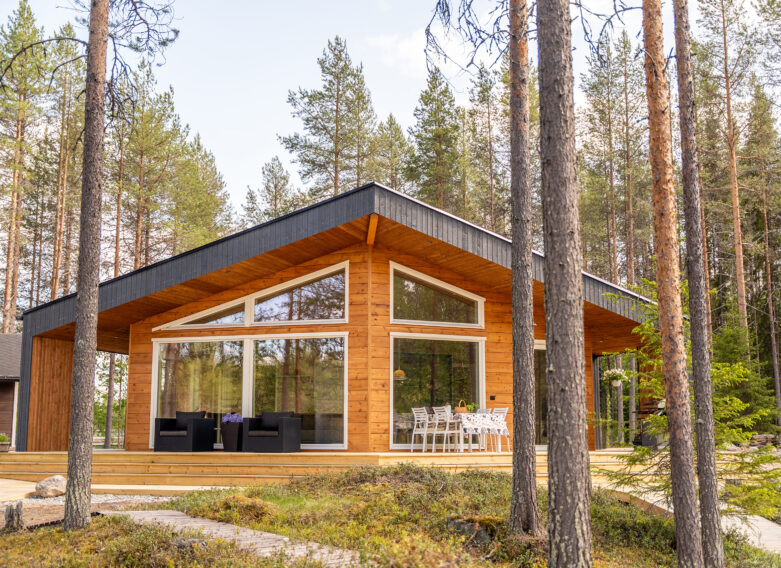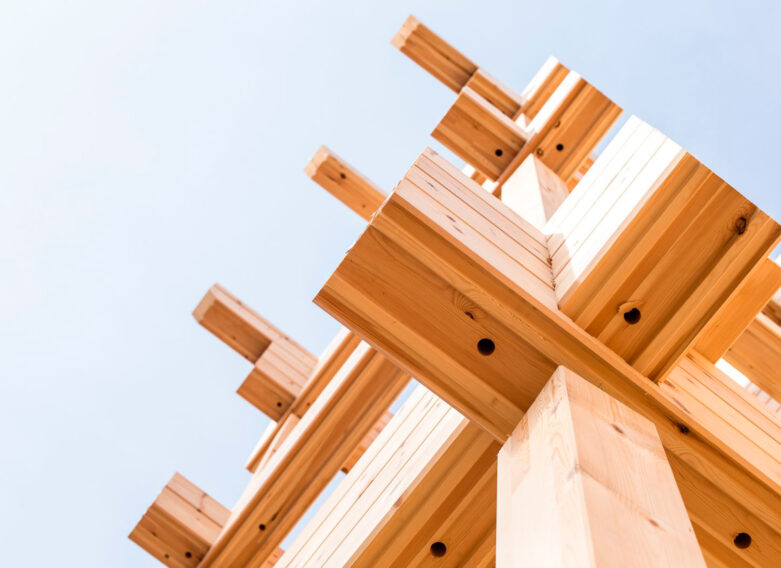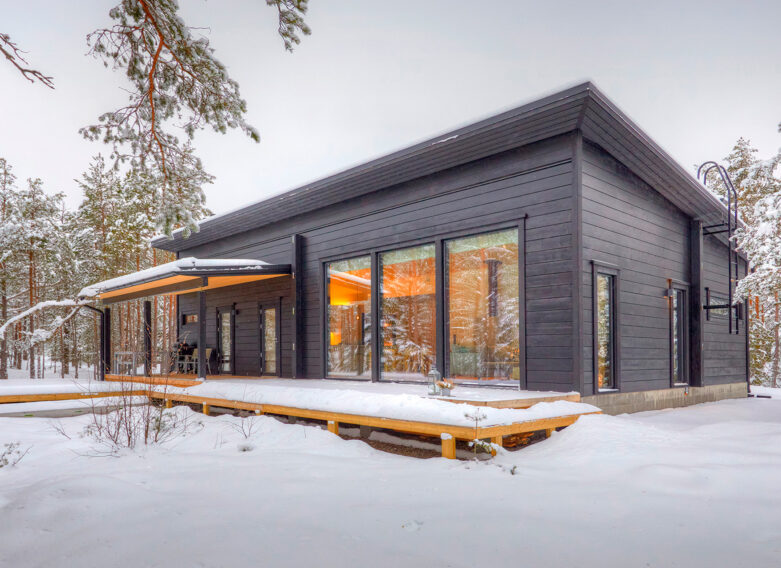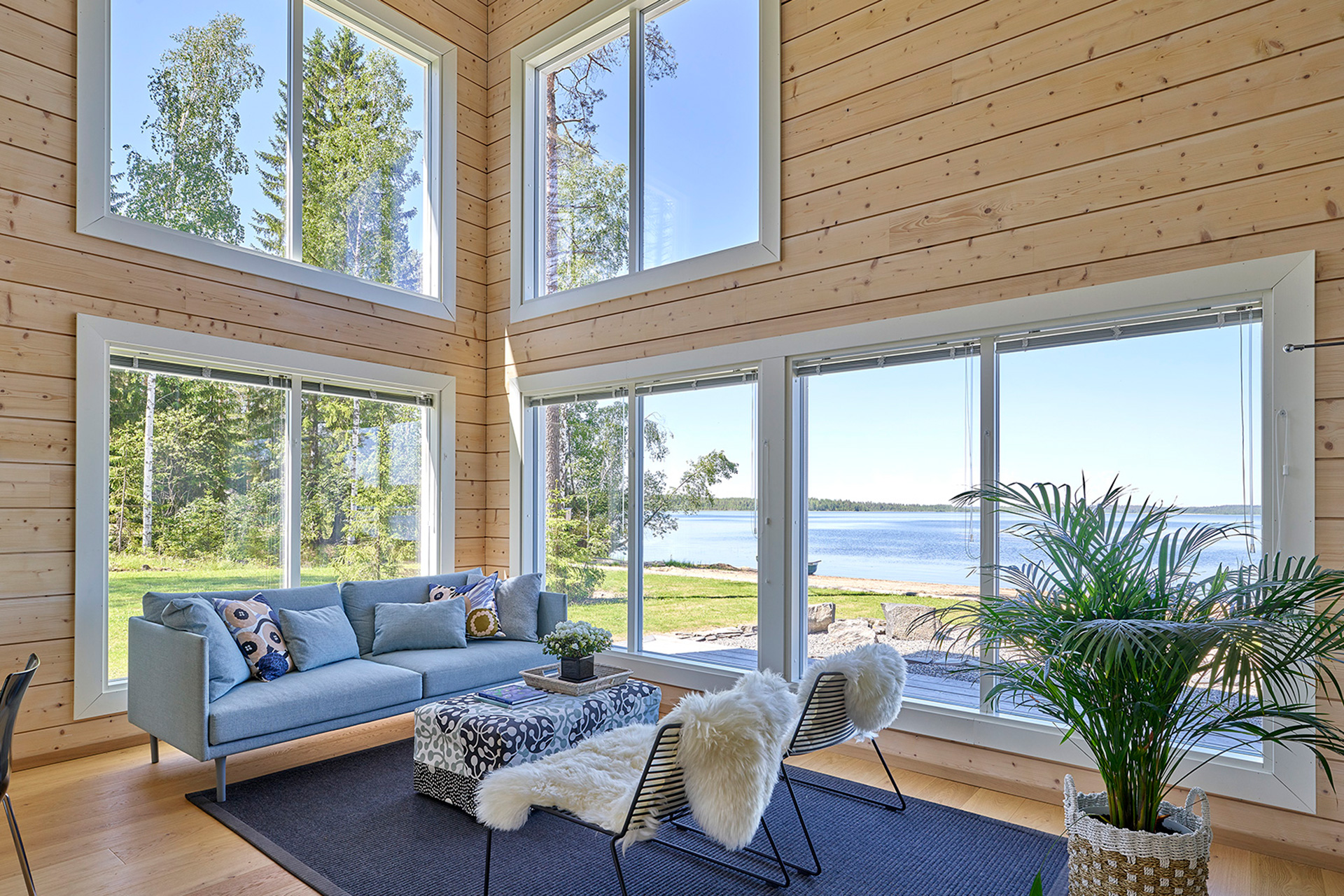
Eco-friendly building starts with choosing the right building materials. Environmentally friendly and sustainable log timber is perfectly suited to eco-friendly building – a high-quality log house will last for decades and provide a healthy, safe and breathable home.
Eco-friendly construction starts with genuine northern timber
Log is a sustainable building material that is ideally suited to the construction of detached houses, holiday homes and public buildings alike. Eco-friendly timber construction helps to mitigate climate change, as log houses cause significantly less environmental harm over their lifetime than concrete or brick-framed houses. A log house binds ten times as much carbon as is released during its manufacture. Furthermore, the sawdust and wood chips produced as by-products of log production generate more energy than is consumed in the production of the logs.
A log house is durable and eco-friendly even when occupied. The log structure reduces the need for heating and cooling, as the logs even out temperature differences within the building – it stays warm in winter and, conversely, the breathable structure keeps the indoor air pleasantly cool in summer.
Kuusamo Log Houses use timber grown in the north, where the exceptionally high proportion of heartwood makes the logs durable and rot-resistant. The durability of the timber used has been tested in Finland’s harsh climatic conditions, including drought, rain and the freezing cold of winter. Our partner, Pölkky, processes and supplies high-quality, consistent raw materials for the production of Kuusamo Log Houses. Pölkky, based in Kuusamo, grades the logs in its production, and the most suitable timber is selected for each part of the log building.
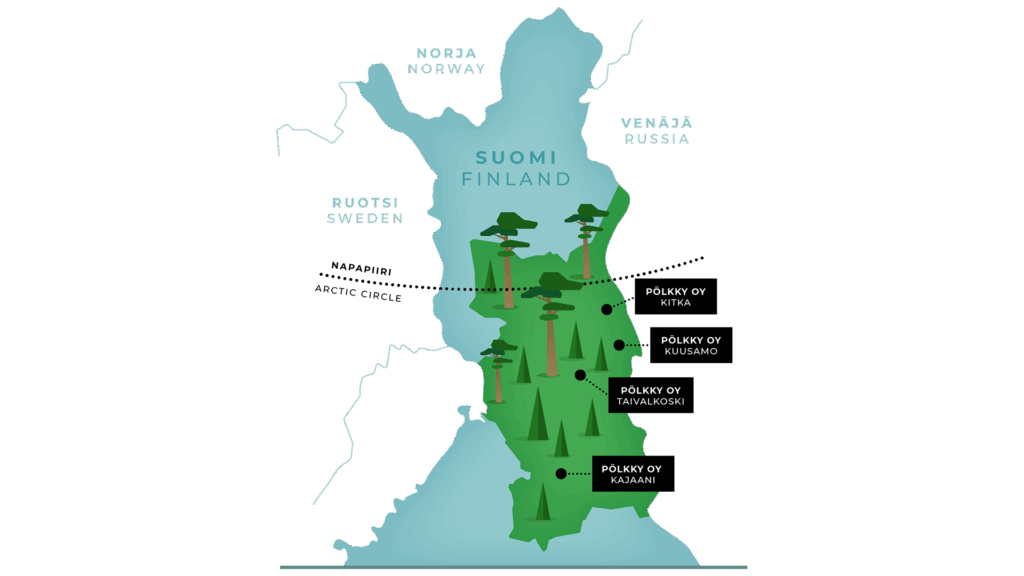
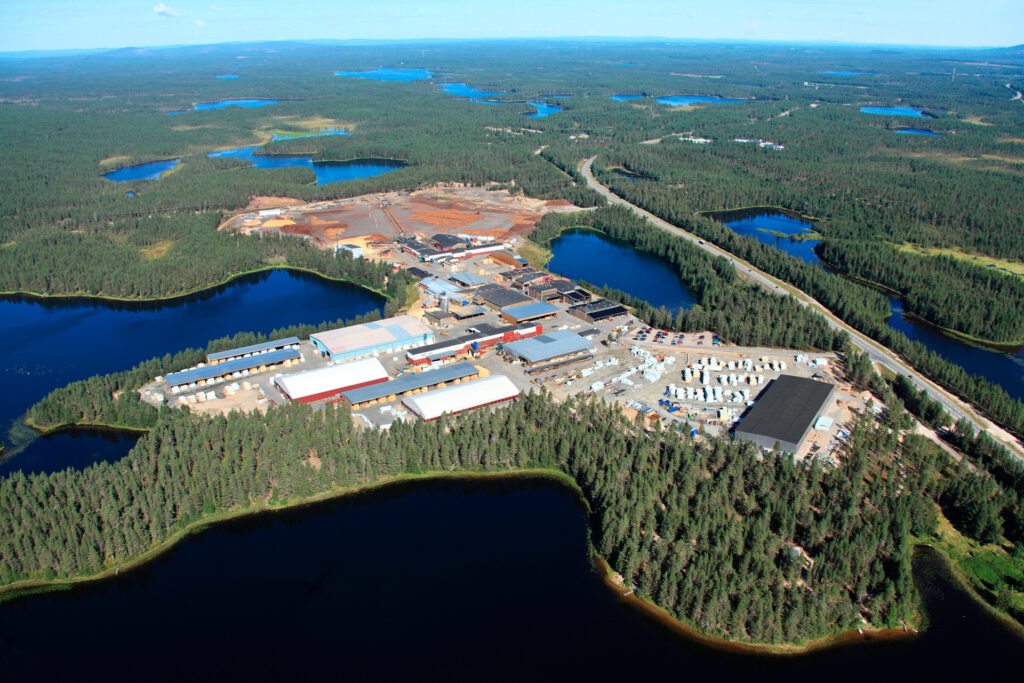
How is Kuusamo Log Houses’ building material produced? Read more on our blog!
An eco-friendly log house breathes
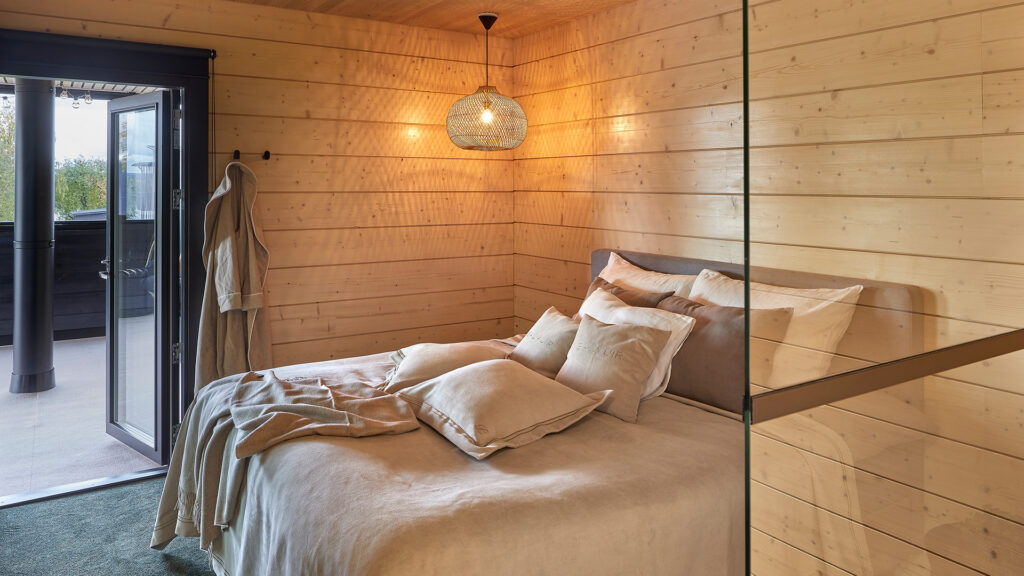
A house built from logs is allergy-friendly thanks to its excellent indoor air quality and antibacterial properties. The good air quality in log homes is based on the wood’s ability to absorb and release moisture – in other words, the wood balances fluctuations in indoor humidity. Log surfaces absorb moisture when indoor humidity rises and, conversely, release it when the air dries out. Dry indoor air is considered problematic, as it increases symptoms of irritation in the respiratory tract, the mucous membranes of the eyes and the skin. Conversely, excessively humid indoor air may feel stuffy and make any impurities seem more pronounced.
Consistent indoor humidity improves air quality and reduces the need for ventilation. The use of wood as a building material therefore helps to reduce fluctuations in humidity and improve energy efficiency, particularly in Finland’s variable weather conditions. Even small cracks on the surface of the wood play a significant role, as they increase the surface area that can absorb moisture. Uncoated wood keeps indoor humidity within the optimal range for health, i.e. relative humidity (RH) of 30–55 per cent.
A single-material log structure is safe
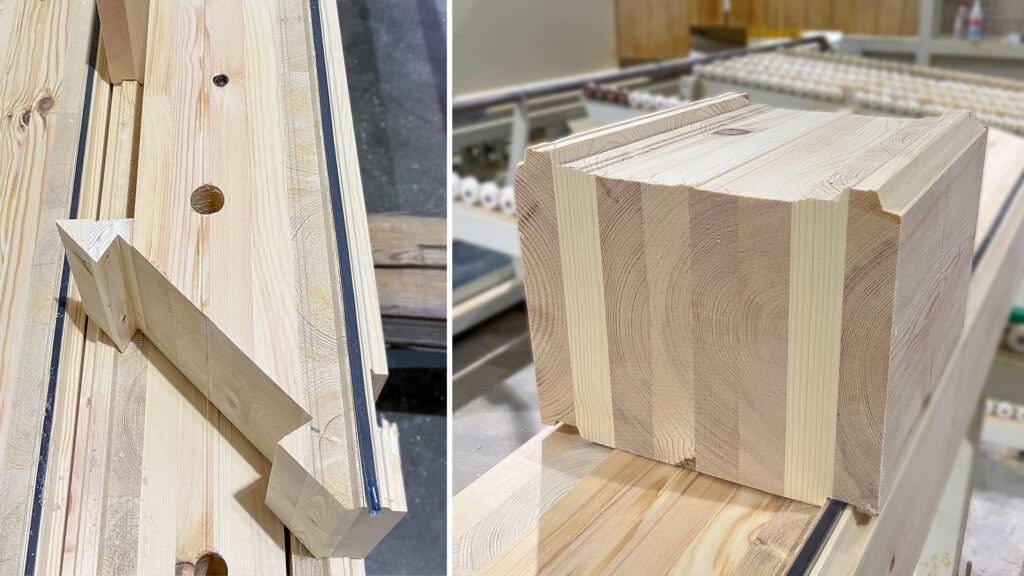
An ecological log house is a natural, moisture-safe choice. Mould problems in buildings are often linked to moisture condensation and accumulation at the interface between different floors of the structure. A solid log wall, consisting of a single, uniform material from surface to surface, offers a moisture-safe solution. It eliminates interfaces that are critical from a moisture management perspective, meaning the log structure is reliable in terms of moisture control. Kuusamo Log Houses’ laminated log wall functions correctly in terms of moisture control regardless of weather conditions and the time of year, as the adhesive joint contains no ingredients that prevent the logs from breathing.
The health benefits of a breathable structure are based on the idea that carbon dioxide is removed from the indoor air through the structure and replaced by oxygen from the outside air. In the Finnish climate, the challenge is posed by water vapour, which is one of the gases in the air mixture. In single-material wall structures, the movement of water vapour is not a problem, as there are no interfaces on which moisture could condense under certain conditions.
Wood is a beneficial force of nature
We spend up to almost 90 per cent of our time indoors. It is therefore not entirely irrelevant what kind of home we live in or what kind of workplace we work in. Using wood, which is well suited to ecological construction, for interior surfaces can have a positive effect on mood and stress levels. Compared to other surface materials, wood is cosy, warm and calming, and wooden surfaces promote healing, reduce stress and improve mood. The beneficial effects of wood are evident in lower blood pressure and heart rate, as well as a calming effect on the body.
Studies have shown that touching materials such as aluminium, plastic or steel triggers a stress response in the body, manifested as a rise in blood pressure. Wood, on the other hand, feels safe and natural to the touch. Wooden furniture in an office has a similar effect on stress levels – even an office furnished with green plants and white furniture did not result in a comparable reduction in stress levels. Similar results have also been obtained in studies conducted in classrooms with solid wood interiors, where pupils reported feeling less tired and less unproductive.
You can read more on the Puuinfo website about the effects of using wood on indoor air quality and health.
Modern log houses bring logs to the city
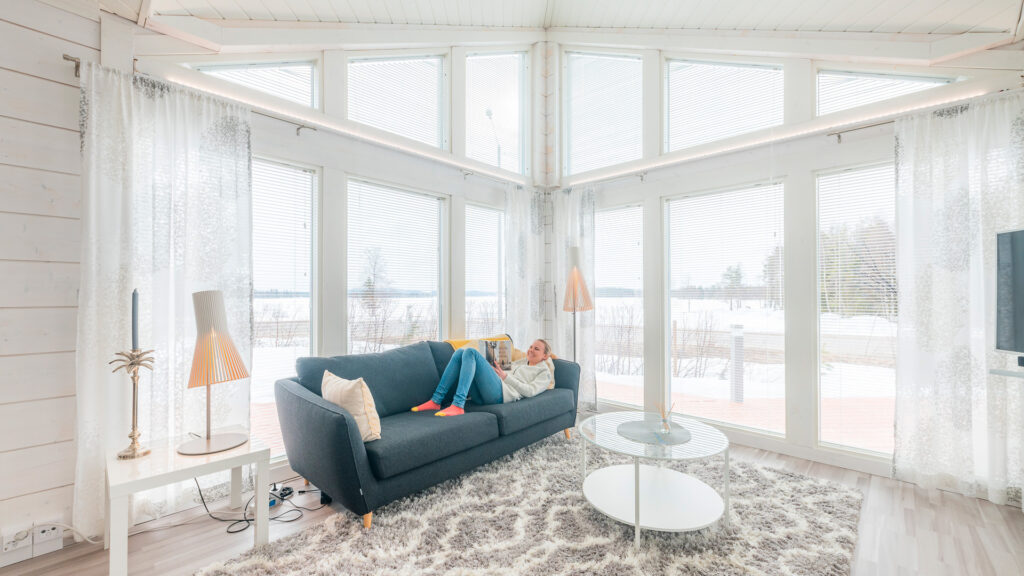
The Kuusamo Log Houses models combines ecological construction with modern elegance. These professionally designed houses are durable, with a finish characterised by clean lines and large windows. The appearance of modern log houses, with their sheered corner joints and non-settling logs, has made it possible to build log houses even in urban planning areas, thus bringing logs into urban construction as well.
Many builders of detached houses or holiday homes find the wooden surface pleasant, natural and soothing, creating a warm and homely atmosphere. Often, the log surface is left exposed in some way rather than being completely painted over. There are plenty of options available for finishing log walls, and you are sure to find a suitable colour and surface treatment. When treating a log surface, it is important to bear in mind that the products used for surface treatment can affect the properties of the wood, so it is always advisable to seek the assistance of a professional in the field to find the right product.